No products added!
by
Soul Wolf
No Comments
The Treasure in Our Trash
Waste-to-Data-Management
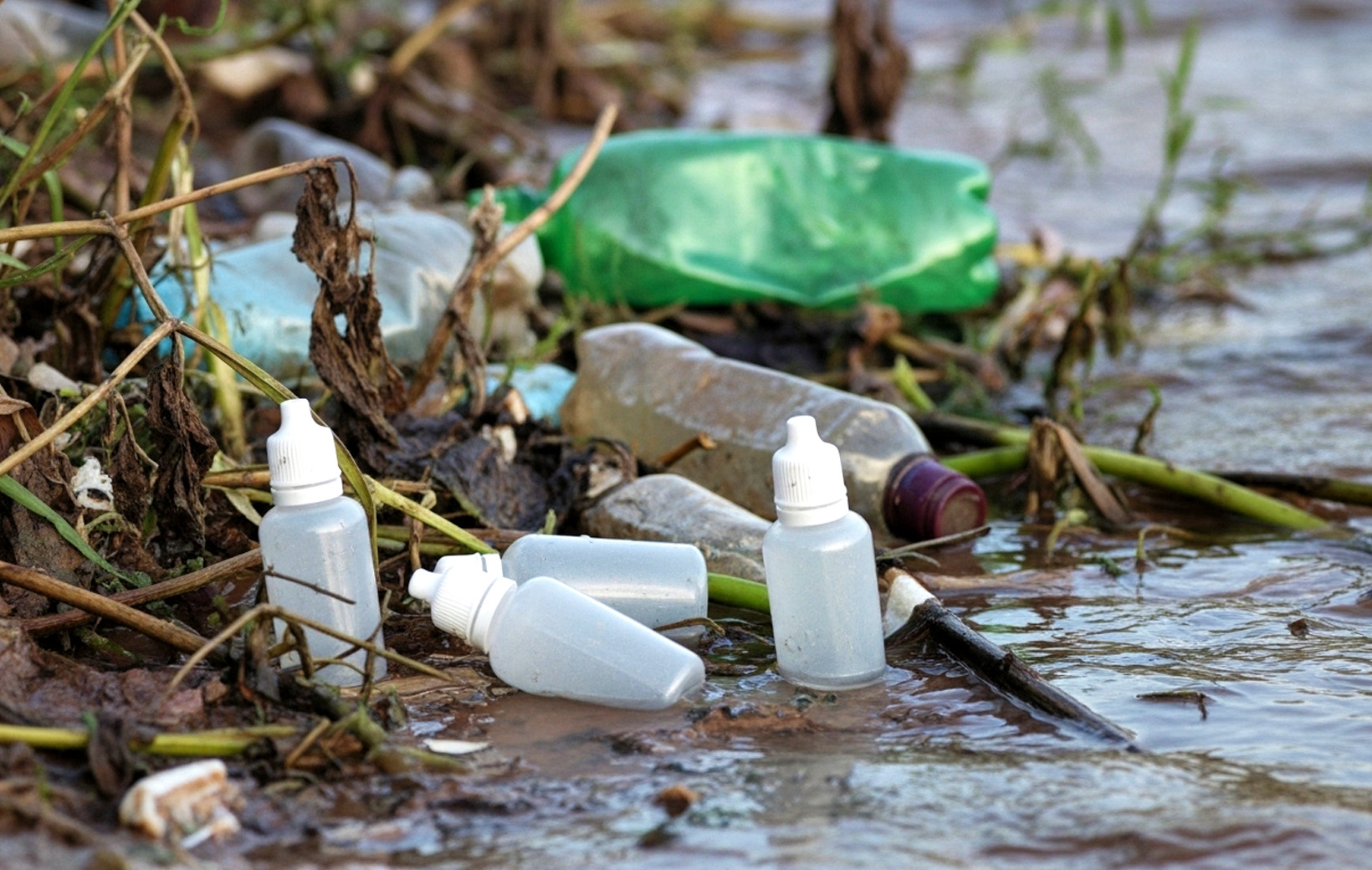
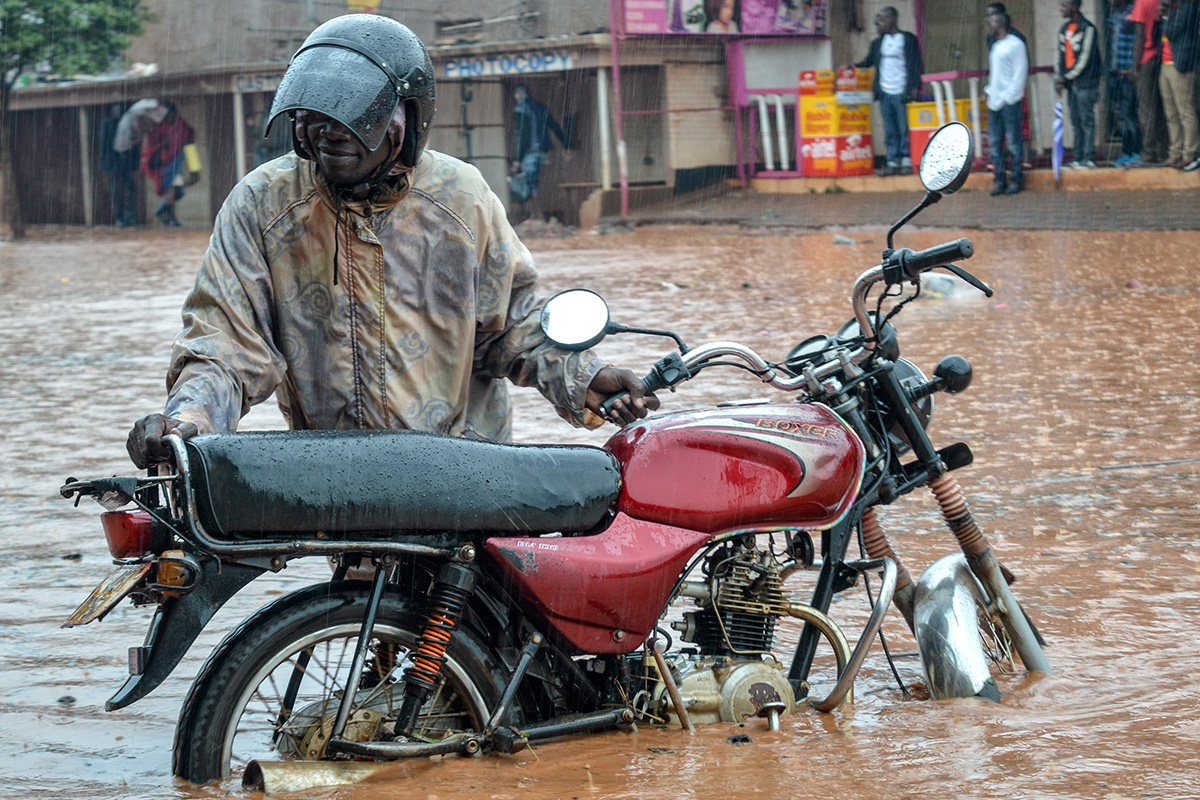
Imagine if every candy wrapper or used Wolf Sauce bottle clogging Uganda's drains could tell us a story. We have a special way to turn this branded trash into data. Why? First, to stop drains from flooding neighborhoods.
Second, to give good jobs to women and young people who need them.
And most importantly, to learn what products people are really using across Uganda.
Adaptive Hunting for Waste Hotspots
Waste accumulates in clusters, like candy wrappers congregating near a school drain.
Standard grid sampling would waste effort on empty areas. Instead, we use adaptive cluster sampling. A collector surveys a 50-meter drain segment plus 20 meters of buffer. If they find more than 10 branded items (e.g., Wolf Sauce bottles), it triggers a "hotspot expansion." Neighboring segments are immediately added to the survey.
Our search covers three distinct zones: busy city drains in Kampala, town waterways in Jinja, and rural river junctions in Mbale. We prioritize flood-prone areas to ensure safety is the top priority.
Soul Wolf
Complex tools fail marginalized collectors. Every method is redesigned for intuition. The statistical backbone is robust with collectors capturing material decomposition, brand, location, and drain blockage % – just four variables per item. Supervisors later extract brand names from photos, minimizing field errors.
Spatial Targeting Where It Matters Most
Instead of generic zones, strata are defined by drainage vulnerability: Urban Critical (high flood risk + population density), Peri-Urban (informal settlements near waterways), and Rural Confluence(river junctions). Using Neyman allocation, high-risk strata gets more attention. Sample size is determined by the formula n = [Z² × p(1-p) × DEFF] ÷ ME². Where, Z=1.96 (95% confidence), p=0.2 (estimated brand prevalence), DEFF=1.5 (cluster design penalty), and ME=0.05 (5% error of margin). This results in 460 drain clusters across Uganda for a ±5% brand power meter accuracy.
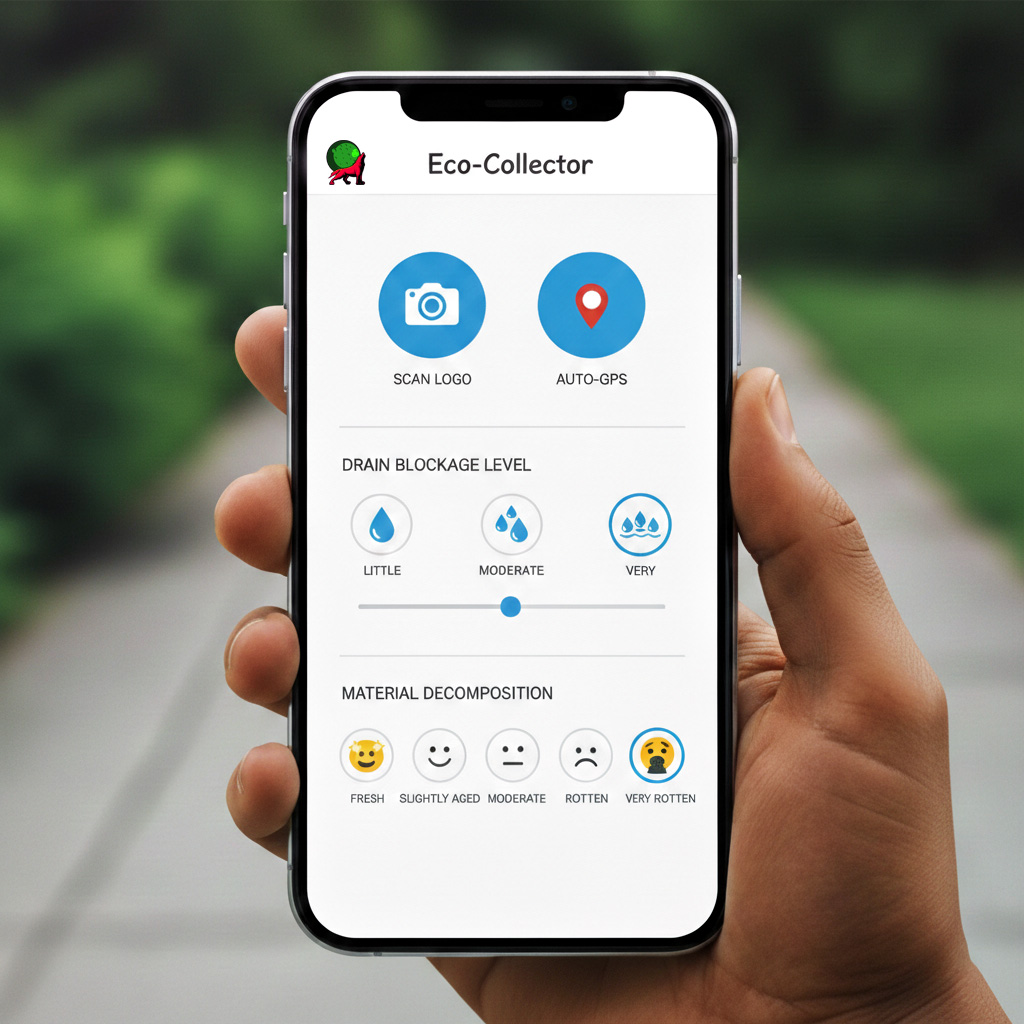
Our collectors (women and youth) use easy tools. A phone app takes pictures of brand logos – no reading needed! It also tags GPS locations automatically. For drain blockages, we use water drop symbols: 💧 = a little blocked, 💧💧💧 = very blocked. Material Decomposition uses smiley face icons: 🤩 = fresh, 🙂 = slightly aged, 😐 = Moderate, 🤢 = rotten, 🤮 = very rotten. Simple!